Trauma Therapy for Adults in Alpharetta, GA

Understanding yourself. Reclaiming your story. Finding new ways forward.
Sometimes we know that something isn't working, but we aren't quite sure how to change it.
Maybe you find yourself in familiar relationship patterns, struggling to set boundaries, or feeling responsible for keeping everyone around you happy. Maybe you have a hard time trusting others, are quick to criticize yourself, or notice that certain situations bring up feelings that seem bigger than what's happening in the moment.
You might have a pretty good understanding of where some of these patterns come from. You may have spent time reflecting on your experiences, reading the books, doing the work, and trying to understand yourself. And yet, knowing why you do something doesn't always make it easier to do something different.
Our experiences shape us. The relationships we've had, the environments we've grown up in, and the things we've lived through can influence how we see ourselves, relate to others, and move through the world. Sometimes the ways we've learned to protect ourselves continue showing up long after the circumstances that shaped them have changed.
I love helping people get curious about these patterns, understand the stories behind them, and explore what it might look like to show up differently. Not by dismissing what you've been through or trying to erase parts of your story, but by making space for more of who you are and who you want to be.
At The Listening Collective, therapy is a place to be heard, understood, and supported as you figure out what comes next. You don't have to have everything figured out before we begin.
[Let's Connect / Schedule a Consultation]

Understanding the Patterns That Shape You
We all develop ways of navigating the world. Sometimes those ways come from experiences that taught us to be careful, stay quiet, work harder, keep the peace, or take care of everyone else.
Maybe you learned that being agreeable kept you safe from conflict. Maybe you became really good at anticipating other people's needs because it helped you feel connected or avoid disappointment. Perhaps you learned to rely only on yourself because depending on others didn't always feel safe.
These responses often develop for good reasons. They may have helped you navigate relationships or circumstances that were difficult, unpredictable, or overwhelming.
But what happens when those same patterns start getting in the way?
You might find yourself wanting closeness but struggling to let people in. You might know you need a boundary but feel overwhelmed with guilt when you try to set one. Maybe you automatically say yes when you want to say no, or find yourself shutting down during conversations that feel emotionally charged.
I want to help you slow down and get curious about what's happening beneath the surface. What is this response doing for you? What might it be protecting you from? Where did you learn that this was the way to navigate a situation?
Understanding the reasons behind our patterns can create space for compassion. And from that place, we can begin exploring whether there are other ways of responding that feel more aligned with who you are and how you want to live.
Understanding the Impact of Trauma
Trauma isn't always easy to recognize. Sometimes we associate it with particular events or experiences, but its impact can show up in much quieter ways throughout everyday life.
It might look like difficulty trusting others, feeling constantly on guard, struggling with vulnerability, or having a hard time believing that your needs matter. It might show up in your relationships, your sense of self, the way you respond to stress, or the expectations you hold for yourself.
Sometimes people know exactly which experiences have affected them. Other times, they simply know that certain things feel harder than they think they should, or that they're carrying something they haven't quite been able to make sense of.
You don't have to identify with a particular definition of trauma to explore the ways your experiences have shaped you.
In therapy, we can look at how past experiences might be influencing your present-day thoughts, emotions, relationships, and behaviors. We can explore the beliefs you've developed about yourself and others, the ways you've learned to protect yourself, and what it might take to feel more grounded and connected in your everyday life.
Importantly, this work doesn't have to revolve around revisiting every difficult experience. Your story belongs to you. We can spend time with the parts you want to understand, while also making space for the person you are beyond what you've been through.
Relationships, Boundaries, and Finding Your Voice
So much of what we learn about ourselves happens in relationship with other people. Our experiences of connection, conflict, trust, and belonging can shape what we expect from relationships and how comfortable we feel showing up as ourselves.
Maybe you tend to take responsibility for other people's feelings. Maybe you avoid difficult conversations, struggle to communicate what you need, or find yourself feeling anxious when someone seems upset with you. You might have a hard time knowing where your responsibilities end and someone else's begin.
Sometimes these patterns are so familiar that we don't even recognize them as patterns. They just feel like the way we are.
Part of our work can involve slowing down enough to notice what's happening in those moments. We can explore what feels difficult about setting a boundary, what comes up when someone disagrees with you, or what makes it hard to let yourself be seen.
I want to help you develop a stronger connection to your own needs, feelings, and values while continuing to build relationships that matter to you.
This isn't about becoming less caring, needing less from other people, or pushing everyone away. It's about learning how to stay connected to yourself while being in relationship with others.

Moving From Understanding to Doing Things Differently
Insight can be powerful. Understanding where a belief came from or why a particular situation feels triggering can change the way we see ourselves.
But sometimes we get to a point where we know the pattern, understand the history, and still find ourselves responding in the same familiar way.
This is where I think there's so much opportunity for growth.
Together, we can begin exploring what it might look like to respond differently. That might mean practicing a boundary, approaching a difficult conversation, challenging a belief you've held about yourself, or learning to pause before automatically moving into a familiar response.
We'll also make room for the discomfort that can come with change. Doing something differently can feel unfamiliar, even when it's something you genuinely want. It can take practice to trust yourself, tolerate uncertainty, or allow others to have their own reactions without immediately taking responsibility for them.
I'll support you in identifying what you want to work toward, noticing when familiar patterns show up, and finding opportunities to practice new ways of showing up in your everyday life.
Change doesn't mean you'll never fall into old patterns again. It means developing more awareness, compassion, and choice in how you respond.
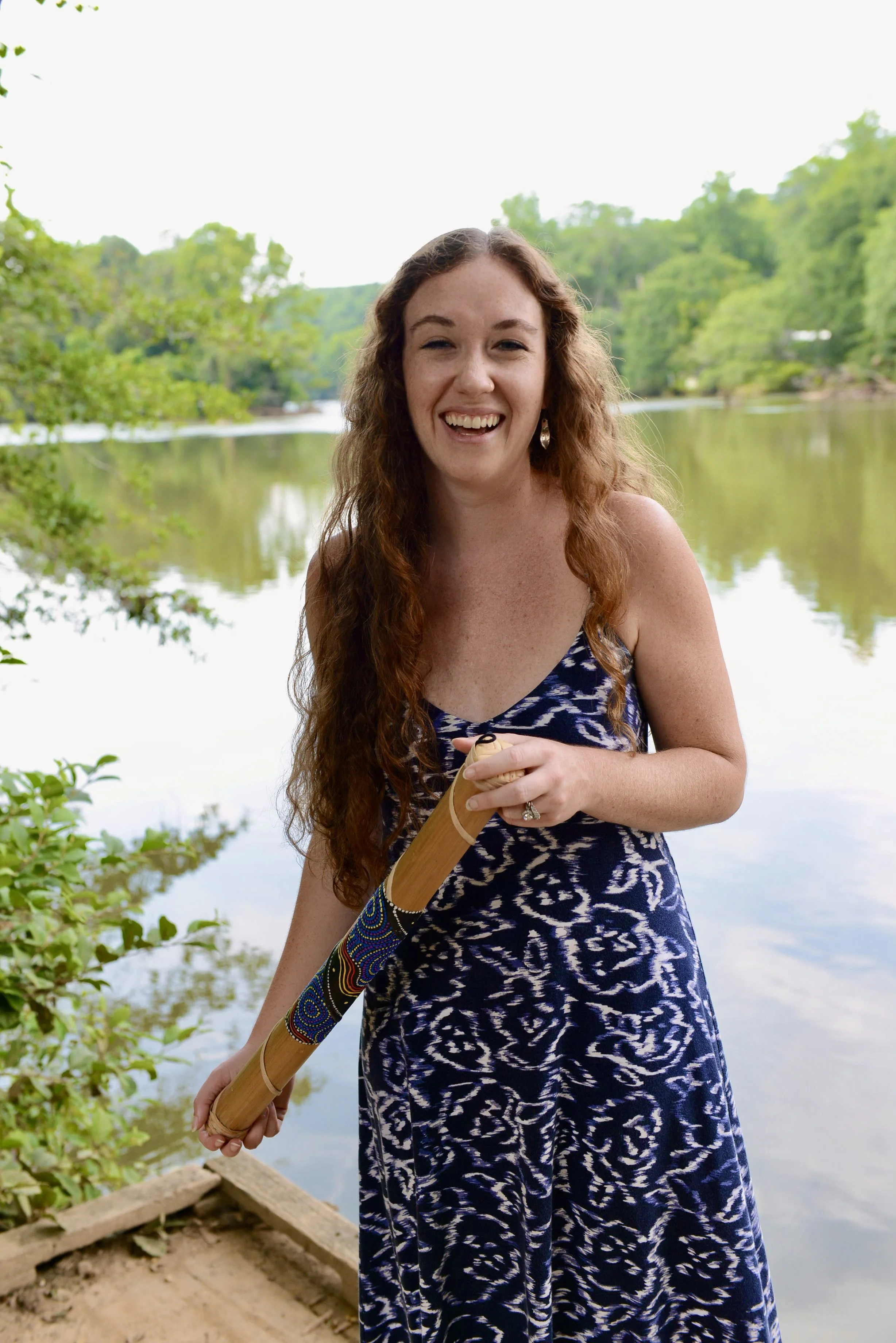
What is therapy with me like?
I believe people deserve to have their experiences heard, witnessed, and taken seriously. I want you to have space to tell your story in your own way, without feeling like you need to edit it, make it easier to understand, or justify why something affected you.
My approach is person-centered, collaborative, and integrative. You're the expert in your own experience, and my role is to listen, bring curiosity, offer perspective, and help you explore what might be possible.
Sometimes our work will involve spending time with your story and understanding how particular experiences have shaped you. Other times, I'll help you slow down and notice what's happening in the present moment, especially when an automatic response or familiar pattern begins to show up.
I may ask questions that invite you to look at something from a different perspective, or gently bring us back to something important when it feels easier to move away from it. We'll pay attention to what you're ready to explore and what feels most useful to you.
My background in music therapy informs my work, and I draw on creative and experiential approaches when appropriate. Music, sound, movement, and somatic practices can offer different ways of engaging with emotions and experiences, particularly when words don't quite capture what's happening. I also incorporate mindfulness-based approaches and cognitive behavioral therapy (CBT) strategies when they support the work.
I don't believe therapy needs to follow a formula. Sometimes the work is challenging; sometimes it's gentle. Sometimes we need to sit with something difficult, and other times we need to experiment with a new skill or way of responding.
We'll figure out what fits together. My hope is that you feel supported, understood, and increasingly equipped to show up in your life in ways that feel more like you.
[Schedule a Consultation]
What We Might Work on Together
Adult therapy at The Listening Collective may be a good fit if you're interested in exploring:
The impact of trauma and difficult past experiences
Relationship patterns, attachment, and trust
Boundaries, communication, and expressing your needs
Self-criticism, shame, guilt, and perfectionism
Emotional awareness and regulation
Difficulty feeling safe, connected, or comfortable being vulnerable
Patterns of people-pleasing, avoidance, or over-functioning
Beliefs about yourself and your relationships
Building self-compassion and a stronger sense of identity
Developing new ways of responding to familiar situations
You don't need to have a specific trauma history or a clear explanation for what's bringing you to therapy. Sometimes the starting point is simply recognizing that the way you've been navigating life isn't feeling quite right anymore.


Who is this work for?
Knowing may be a good place to start if you're an adult who wants to understand yourself more deeply and make changes in the way you relate to yourself and others.
Maybe you've spent a lot of time taking care of other people and are ready to start paying attention to your own needs. Maybe you're recognizing patterns in your relationships that you don't want to keep repeating. Perhaps you've experienced trauma and want to understand how it's showing up in your everyday life, without having your entire identity or therapy experience revolve around what happened to you.
You might already have a lot of insight into yourself, or you might be just beginning to connect some of the dots.
Wherever you're starting, I want therapy to be a place where you can bring your full experience, get curious about what you've learned along the way, and explore what you want to do differently.
Understanding yourself is just the beginning
You don't have to reject the person you've been or the ways you've learned to navigate the world in order to grow. Those parts of you deserve understanding, too.
But you also get to decide what you want to carry forward.
I would love to help you better understand your story, develop a more compassionate relationship with yourself, and explore new ways of showing up in your life and relationships.
The Listening Collective offers in-person adult therapy in Alpharetta, Georgia, and virtual counseling throughout Georgia. Services are private pay, with a sliding scale available.
If you're looking for trauma-informed therapy or want support understanding familiar patterns and creating meaningful change, I'd love to connect.
You can honor the experiences that shaped you while making room for who you want to become.
[Get in Touch / Schedule a Consultation]
Request a Consultation
This form is not monitored for urgent or emergency needs. If you are experiencing a mental health emergency, please contact 988 or go to your nearest emergency department.